Leak Detection in San Marcos, TX
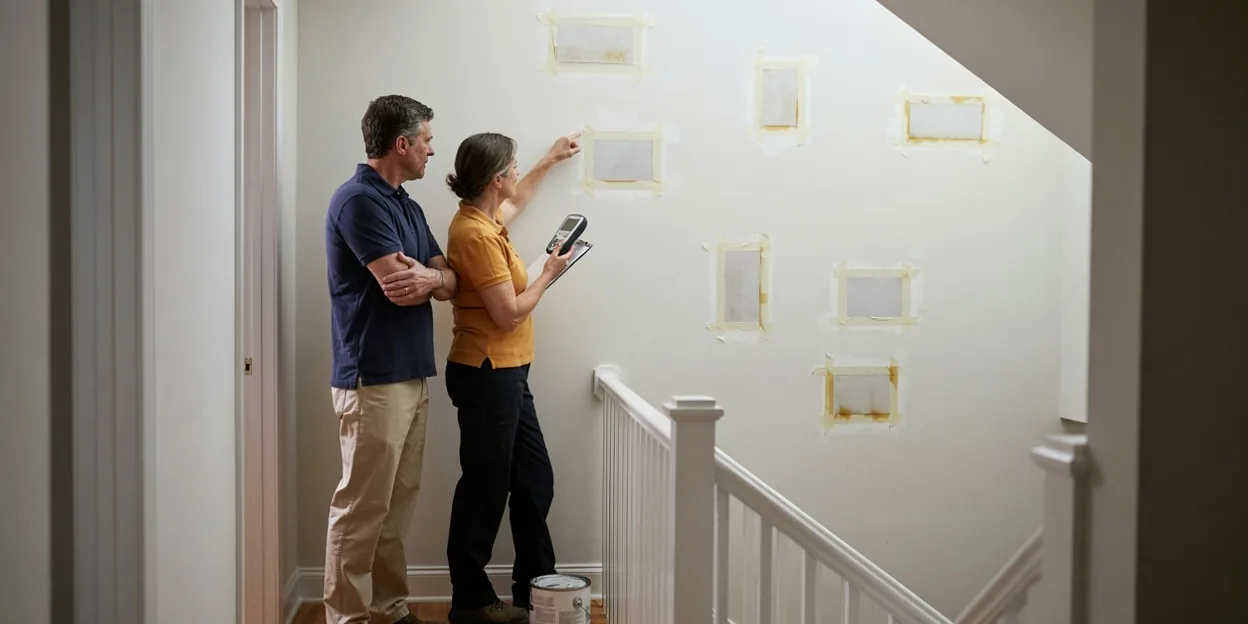
The water bill came in at twice the usual number and nobody in the house took a longer shower. There is no puddle. But the tile in front of the hall bath is warm underfoot in the morning, and the carpet in the bedroom beside it feels cool at the edge. On a slab in San Marcos, that is a hot-water line leaking under the floor. This site passes your call to an independent local provider who does leak detection in San Marcos and across Hays County.
Finding a leak you cannot see under a floor you cannot lift
The provider begins at the water meter with every fixture in the house closed. If the dial turns, water is leaving the system somewhere. Next they shut the valve at the water heater: if the meter stops, the leak is on the hot side, which is the usual case on a slab. Then they listen. Acoustic gear picks up the hiss of pressurized water through concrete, and a thermal camera shows the warm plume spreading under the tile. Pressure testing on each line narrows it to one run.
Only after all of that does anyone mark the floor. The goal is one opening over the leak, or a reroute through the attic that avoids the slab entirely, not a trench through the hallway.
While you wait for the leak hunt to start
Write down the meter reading now and again in an hour with everything off. Note which floor areas feel warm and at what time of day. Do not run the dishwasher or washer, so the readings stay clean. If a wall is damp, do not pull the baseboard yet; the crew wants to see it as it is. Photograph any cracked tile or lifted plank near the warm spot.
What a slab leak does to the house above it
Water under a slab warms the floor, then wicks into the bottom of the drywall and the toe kicks of nearby cabinets. Laminate and engineered wood cup at the edges. Tile may stay in place but the grout darkens and the floor sounds hollow. Once the line is repaired or rerouted, the wet materials still need structural drying, and a floor that soaked for months may need more than drying. The crew will say which boards and which drywall sections are past saving, and what reading backs that up.
Clay under the east side, limestone under the west, and both move the pipes
San Marcos straddles the Balcones Fault. East of I-35 the slabs are poured on Blackland clay that swells in a wet spring and shrinks in a dry summer, and that movement works on the copper and the joints under the floor until one of them weeps. West of the interstate the ground is Edwards limestone and more stable, but the water itself is harder, and hard water scales and pits copper from the inside over the years. The Edwards Aquifer Authority publishes the water-quality data that explains why heaters and lines here wear out sooner than the warranty says.
Older neighborhoods east of campus and along Hopkins Street have the most slab leaks, simply because their lines are oldest. Newer subdivisions on the west side use PEX in the attic and rarely leak under the slab, but when their attic lines fail it is a burst pipe water damage problem with ceilings and walls to dry.
A slow leak under the slab is the loss Texas policies argue about most. Many pay to find the leak and repair the damage it caused but not the pipe, and some exclude long-running leaks as gradual. Ask the provider for the detection report with the meter readings and the location, because the adjuster will want it.
Call about the warm spot or the bill
Tell us where the floor feels warm, whether the meter moves with everything off, and whether any wall or baseboard has changed shape. Say how old the house is if you know. Call (737) 283-4979 and describe what you noticed.